
When the House Feels Different This Year: Preparing for Safer Holidays at Home
The holidays have a way of making everything feel louder and brighter. The lights go up. The table gets fuller. The calendar fills faster than we expect. And almost without realizing it, families start spending more time inside each other’s homes again.
That’s often when something quietly shifts.
We hear it every year from families across our communities:
“The house just felt different this time.”
“Things didn’t seem as easy as they used to.”
“I couldn’t explain it… but I felt a bit more worried when I left.”
Those feelings don’t come from nowhere. They usually come from noticing subtle changes in how a loved one is moving through their space.
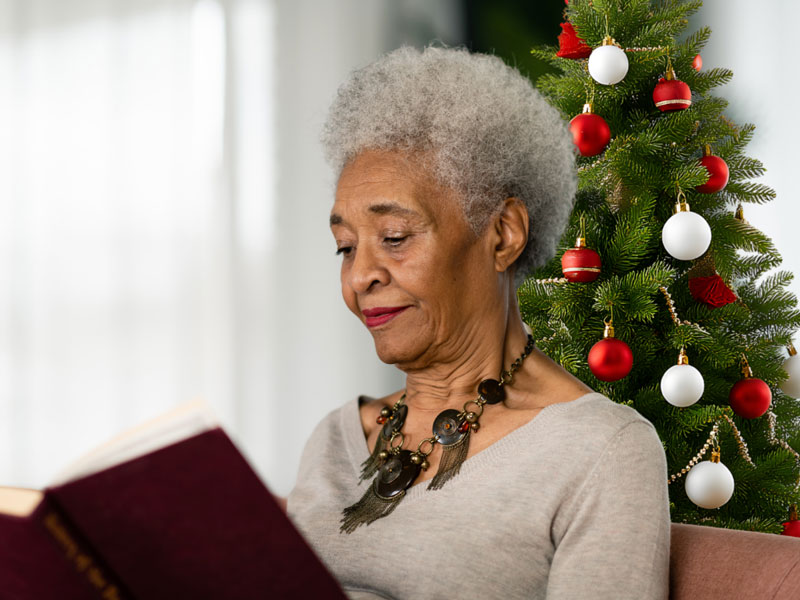
The House Tells a Story
We don’t always notice changes in routine through phone calls or short visits. But when you’re home together during the holidays, the space itself begins to speak.
You might notice:
• That the stairs feel slower than before
• That the kitchen is more confusing to navigate
• That items are harder to reach
• That favourite rooms are being avoided
• That movement feels more cautious
None of this means something is “wrong.” It simply means the home that once fit perfectly may now be asking for a little more support.
Winter Changes How the Home Is Experienced
Canadian winters already ask more of the home and the people living in it.
The floors feel colder.
The lighting changes.
Footwear comes off and on.
There’s more time spent indoors.
There’s less incidental movement and fresh air.
For aging adults, winter can quietly increase:
• Fatigue
• Stiffness
• Isolation
• Hesitation with movement
• Dependence on familiar routines
All of this can make the home feel heavier than it did just a few months earlier.
When Safety Becomes an Unspoken Worry
Many family members leave holiday visits carrying a quiet concern they didn’t expect:
“I think they might be struggling more than they’re letting on.”
Often it’s not one dramatic incident. It’s a collection of small moments:
• A near slip
• A missed step
• Confusion in a familiar room
• Fatigue after ordinary tasks
• Hesitation before standing or walking
These moments stay with families because they’re not about diagnosis. They’re about risk, and about love.
Preparing the Home Doesn’t Mean Changing It
One of the biggest fears families have is that supporting safety means turning the home into something cold or clinical. That doesn’t have to happen.
A home can remain:
Warm
Personal
Familiar
Comforting
While also becoming:
Easier to move through
Less overwhelming
More supportive of changing energy
Kinder to growing limitations
Support at home is not about stripping away identity. It’s about protecting it.
After the Holidays, the Quiet Can Feel Louder
During the holidays, there is movement. People are around. Help appears naturally. Supervision happens without effort.
Then January comes.
The visits stop.
The house grows quiet again.
And families sometimes realize just how alone their loved one feels day to day.
This is often when families begin reaching out, not in crisis, but in awareness. Not in panic, but in preparation.
A Gentle Reminder for Families
If the house feels different this year, trust that feeling. It doesn’t mean you need to make immediate decisions. It simply means you’re paying attention.
You can take time.
You can ask questions.
You can explore options without committing to anything.
Support is not a sign of loss. It’s often a sign of intention to protect comfort, dignity, and peace of mind.
A Personal Word from Everest
At Everest Home Health Care, we see how deeply connected people are to their homes. Home is where stories live. It’s where routines feel safe. It’s where people feel most like themselves.
Our role is not to change that.
Our role is to protect it.
If the holidays leave you feeling uncertain about how safe your loved one feels at home right now, you don’t have to sit with that worry alone. When you’re ready to talk, we’re here, with steady support, patient guidance, and care that always feels human.
The goal is not just safety. The goal is staying at home with confidence, comfort, and peace.